Are Menopause And Urinary System Incontinence Linked?: Rafael J Perez, Md, Facog: Urogynecologist
Are Menopause And Urinary Incontinence Linked?: Rafael J Perez, Md, Facog: Urogynecologist
Then, overtime, our bladders in fact reduce, which brings about raised urinary system frequency. A recent study discovered that estrogen boosts production of antimicrobial substances in the bladder and enhances the urinary system tissue, making it more difficult for bacteria to grow. Research studies show that up to 1/3 of men and women in the U.S. struggle with urinary system incontinence, making it a far more common trouble than many people recognize. Although most typical in menopausal females, other females can additionally create vaginal atrophy, such as those who are nursing, are postpartum, that smoke, or get on the verge of entering menopause. Adjustments in your everyday behaviors can make a big difference in taking care of urinary system incontinence during menopause. Tracking when leakages happen, what you were doing, how much pee was launched, and how much you consumed alcohol can help your company tailor therapy to your requirements.Surgery to fix and raise your bladder into a better position is typically the last hope for UI therapy. It's thought about for people that can not be helped by other types of treatment. Infections of your urinary tract or bladder might trigger temporary UI. When the infection is gotten rid of, your UI will likely settle or boost. One of one of the most helpful means to reduce bladder problems in perimenopause is with healthy and balanced shower room habits.

She or he will also ask you great deals of questions about exactly how and when you leakage, which will assist determine the type of incontinence you might have. Learn about perimenopause and how to avoid and deal with bladder leaks throughout perimenopause in this post. These include topical estrogen, alpha blockers, mirabegron, and anticholinergics. The accurate nature of the organization in between menopause and UI continues to be not completely clarified.
A female's urological health is deeply attached to her hormonal cycles, especially while pregnant, perimenopause, and menopause. During pregnancy, increasing progesterone degrees cause the pelvic ligaments and muscle mass to kick back. When you incorporate this unwinded pelvic flooring with a growing infant hing on the urinary system tract, this mix of moving hormones and bladder stress significantly increases the regularity of leakages and prompts.- Our material is produced with the assistance of qualified specialists and based upon reputable study from trusted medical and clinical organizations.
- Please call 911 or go to the local emergency clinic if you are experiencing a clinical emergency.
- At Noom, we're committed to giving wellness details that's based in reliable science and specialist testimonial.
- Managing anxiety is additionally important, as adrenal hormones influenced by tension influence urinary feature.
- While this condition is uncommon, impacting only around 0.5% of people, ladies over the age of 50, specifically those that have had several maternities, are most likely to ...
Anxiety Urinary Incontinence
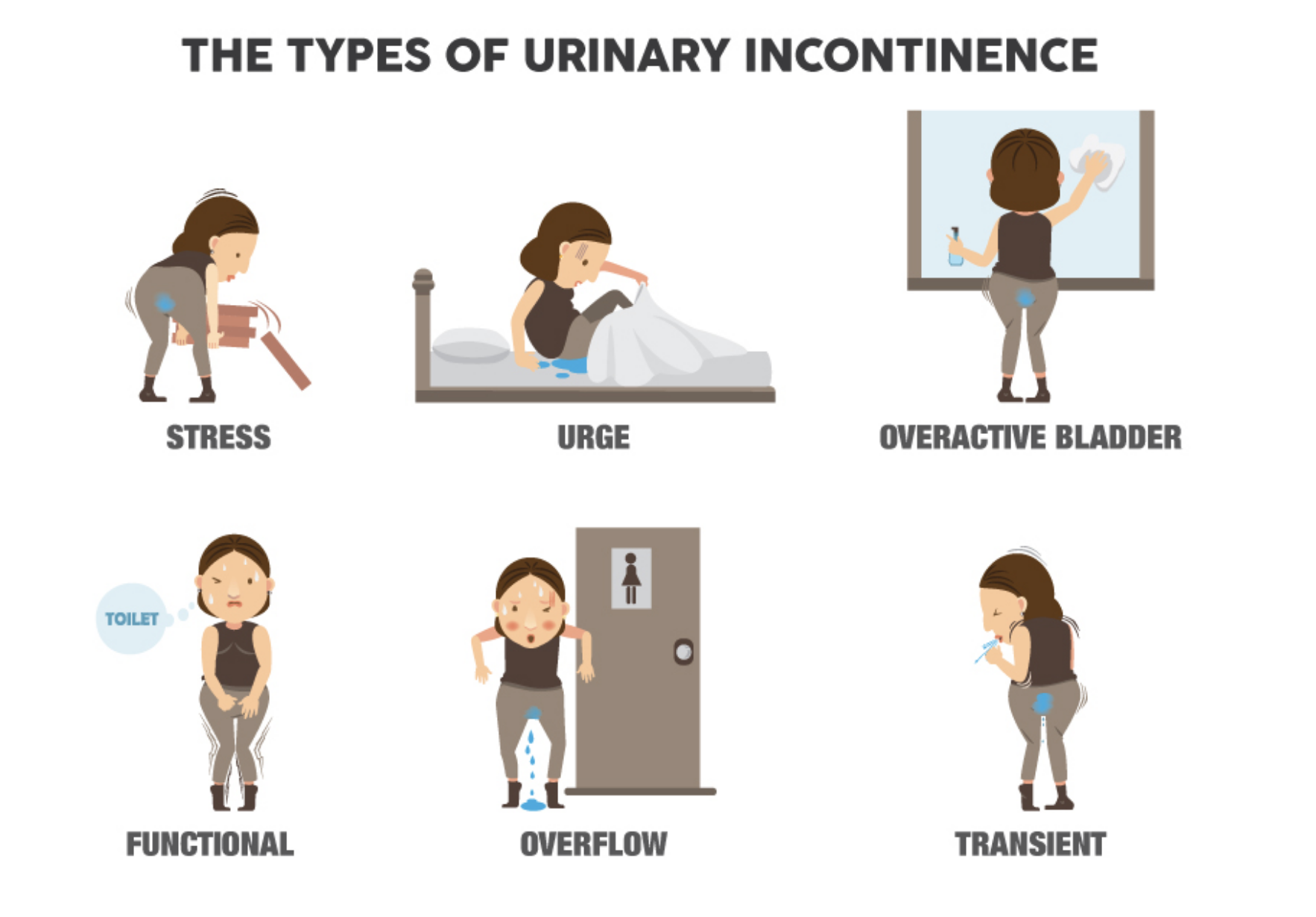
Kegel works out include relaxing and tightening up the pelvic flooring muscular tissues. The pelvic flooring muscles, which lie in between the tailbone and the pubic bone inside of the pelvis, help regulate the circulation of urine. Tension incontinence happens when the pelvic flooring muscular tissues end up being weak. Warning signs include pee leakage when giggling, sneezing, coughing or raising things. Advise urinary incontinence (overactive bladder) is brought on by overly energetic or inflamed bladder muscles.
There are a number of different sorts of urinary incontinence, however the most common in women include stress incontinence, urge urinary incontinence, and mixed incontinence. Both most typical types of urinary incontinence that influence women are stress urinary incontinence and advise urinary incontinence, also called overactive bladder. This might be because maternity, childbirth, and menopause might make urinary incontinence more likely. Urinary system incontinence is not a typical part of aging, and it can be treated. When you're in your perimenopausal phase, estrogen degrees decrease. This drop in hormones causes urogenital cells to come to be stiffer and thinner, compromising your pelvic flooring muscular tissues.Can Testosterone Cause Urinary Problems In Males?
You do not have to approve occasional bladder leakage as an additional adverse effects of menopause or aging. In a lot of cases, there are points you can do to quit and also protect against urinary system incontinence. Identifying hormone-related urological issues begins with a comprehensive medical history and physical examination. Blood examinations procedure hormonal agent degrees like testosterone, estrogen, and adrenal hormones. These examinations help determine imbalances that might be creating signs such as frequent peeing or urinary incontinence.